Introduction
Overlanding is no longer a niche hobby. It has evolved into a global movement of self-reliant adventurers who value freedom, exploration, and capability over convenience.
But here’s the problem:
Most people entering the overlanding world either:
-
Overspend on unnecessary gear
-
Buy the wrong equipment
-
Or build a setup that doesn’t match their travel style
This guide will fix that.
You’ll learn:
-
What overlanding actually requires (vs what Instagram shows)
-
Budget vs mid-range vs premium setup comparisons
-
The essential gear categories (with upgrade paths)
-
How to avoid common beginner mistakes
-
Where to invest if you want high-end performance
-
How to build a rig that lasts years
Whether you're planning weekend forest trips or full-time remote travel, this is your blueprint.
1. What Is Overlanding (Really)?
Overlanding is self-reliant vehicle-based travel focused on exploration.
It’s not:
-
Just car camping
-
Just off-roading
-
Just road trips
It’s a combination of:
✔ Vehicle capability
✔ Self-sufficiency
✔ Long-distance travel
✔ Remote terrain navigation
The goal isn’t speed.
The goal is sustainability.
2. Choosing The Right Vehicle
Before buying gear, your vehicle determines everything.
Best Vehicle Types for Overlanding
1. Body-on-Frame SUVs
Examples:
-
Toyota 4Runner
-
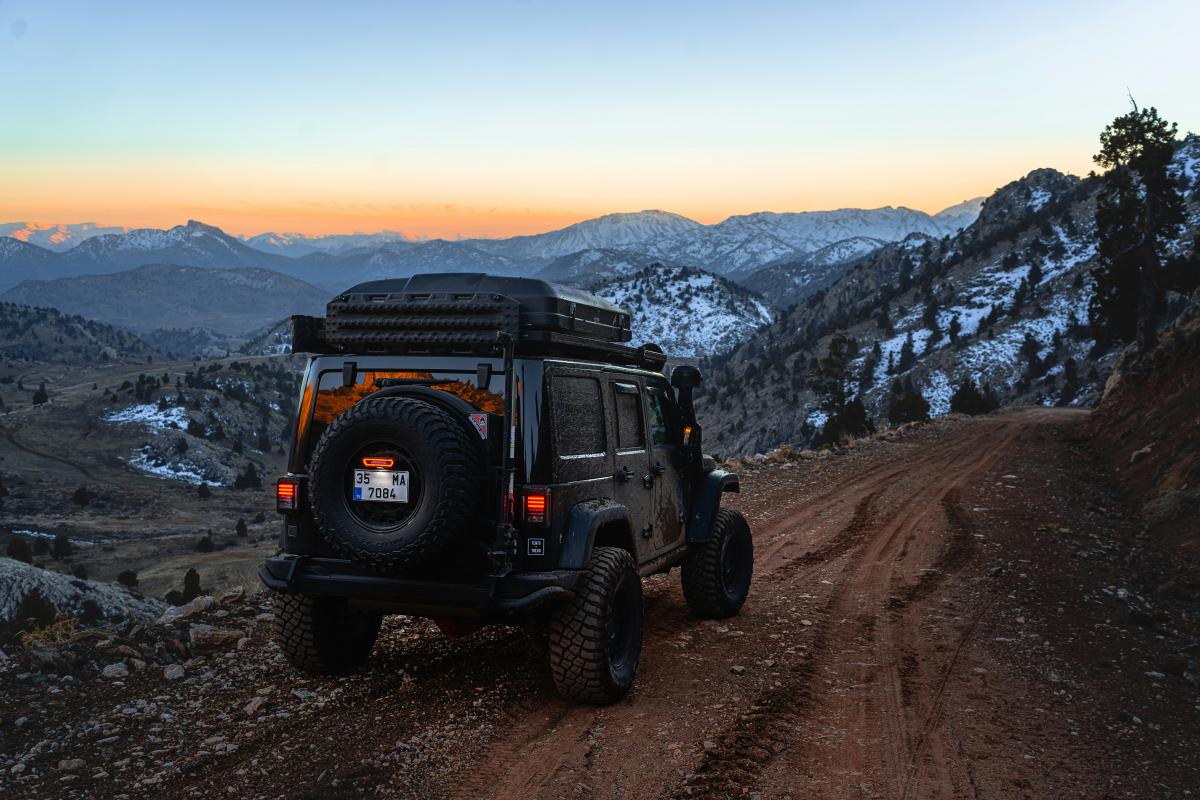
Jeep Wrangler
-
Ford Bronco
Pros:
-
Strong off-road capability
-
Huge aftermarket support
-
Proven durability
Cons:
-
Lower fuel efficiency
-
Higher cost for premium builds
2. Pickup Trucks
Examples:
-
Toyota Tacoma
-
Ford Ranger
-
Chevy Colorado
Pros:
-
Modular bed setups
-
Easy camper shell additions
-
High payload capacity
Cons:
-
Longer wheelbase can limit tight trail maneuverability
3. AWD Crossovers (Light Overlanding)
Examples:
-
Subaru Outback
-
Toyota RAV4 TRD
Pros:
-
Budget-friendly
-
Good for beginner setups
Cons:
-
Limited heavy-duty capability
3. The Core Overlanding Gear Categories
Let’s break this into essentials vs upgrades.
Category 1: Shelter
Rooftop Tent (RTT)
Best for:
-
Fast setup
-
Elevated sleeping
-
Harsh terrain
High-end RTT brands:
-
Hard shell aluminum tents
-
Insulated 4-season tents
Alternative: Ground tent
Pros:
-
Cheap
-
Lightweight
-
Flexible
Cons:
-
Setup time
-
Ground moisture
💡 Smart strategy:
Start ground-based. Upgrade once trips increase.
Category 2: Sleeping System
A bad sleeping setup ruins trips.
Invest in:
-
3–4 inch memory foam mattress (minimum)
-
Four-season sleeping bag
-
Compact down blanket
-
Insulated base layer
Premium Upgrade:
Diesel heater or portable propane heater for cold climates.
Category 3: Power System
This is where most beginners fail.
You need:
✔ Portable power station
✔ Solar panel (100W–200W minimum)
✔ Dual battery system (for advanced setups)
Budget:
Portable lithium power station
Mid-range:
100Ah lithium battery + inverter
Premium:
Full integrated lithium + DC-DC charging + roof solar
Category 4: Cooking Setup
Avoid Instagram overkill kitchens.
Start with:
-
Dual-burner propane stove
-
Compact folding table
-
Soft cooler (or 12V fridge for frequent trips)
Upgrade path:
12V fridge freezer
Slide-out kitchen drawer
Integrated water pump system
Category 5: Water Storage
Minimum:
-
5–10 gallons per 2–3 days
Options:
-
Rotomolded water tanks
-
Water jugs
-
Pressurized systems
Premium:
Onboard filtered water system
Category 6: Recovery Gear (Non-Negotiable)
If you drive off-road, this is mandatory.
Minimum kit:
-
Recovery boards
-
Tow strap
-
D-ring shackles
-
Air compressor
-
Tire deflator
Advanced:
-
Winch
-
Snatch block
-
Hi-Lift jack
4. Budget Breakdown (Real Numbers)
Budget Setup ($1,500–$3,000 extra)
-
Ground tent
-
Portable power station
-
Cooler
-
Basic recovery gear
-
Basic water storage
Best for:
Weekend trips.
Mid-Range Setup ($5,000–$12,000)
-
Rooftop tent
-
12V fridge
-
100Ah lithium battery
-
Drawer storage
-
Recovery boards
-
Suspension upgrade
Best for:
Monthly trips, multi-day remote travel.
Premium Setup ($20,000–$60,000+)
-
Hard shell RTT
-
Full lithium electrical system
-
270° awning
-
Onboard water
-
Winch bumper
-
Suspension + armor
-
Starlink satellite internet
Best for:
Extended expeditions or full-time overlanding.
5. Mistakes Beginners Make
-
Buying gear before understanding travel style
-
Overspending on aesthetics
-
Ignoring weight distribution
-
Forgetting maintenance
-
Skipping recovery training
Biggest mistake:
Thinking gear replaces skills.
6. How To Build Over Time (Smart Strategy)
Phase 1: Go camping first
Phase 2: Upgrade what annoys you
Phase 3: Add comfort
Phase 4: Add capability
Never build everything at once.
7. Example Setup (Balanced Performance Build)
Vehicle: Mid-size truck
Shelter: Hard shell RTT
Power: 100Ah lithium + 200W solar
Fridge: 55L 12V
Water: 10-gallon tank
Recovery: Boards + compressor + winch
Total cost range:
$12,000–$18,000
8. Is Overlanding Worth The Investment?
If you:
-
Value independence
-
Enjoy remote environments
-
Prefer long-form travel
-
Want skill-based adventure
Yes.
If you:
-
Only camp twice per year
-
Avoid dirt roads
-
Prefer resorts
No.
Overlanding is a lifestyle, not just gear.
Final Thoughts
The perfect overland setup is not the most expensive one.
It’s the one that matches:
✔ Your vehicle
✔ Your budget
✔ Your climate
✔ Your travel style
Build slowly.
Travel often.
Upgrade wisely.
And remember:
Capability > Aesthetics
Experience > Equipment
Skills > Spending